Heatwaves and Wildfires
Heatwaves increase wildfire severity and size

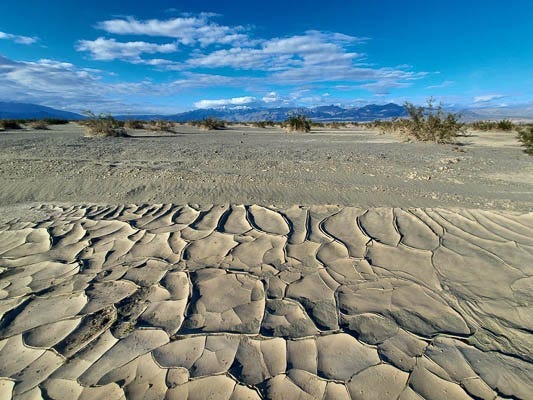
Most residents of the West are aware that summer days are getting warmer, and nights are not cooling as much as in the past. Climate change is real, whether the current administration wants to acknowledge it or not.
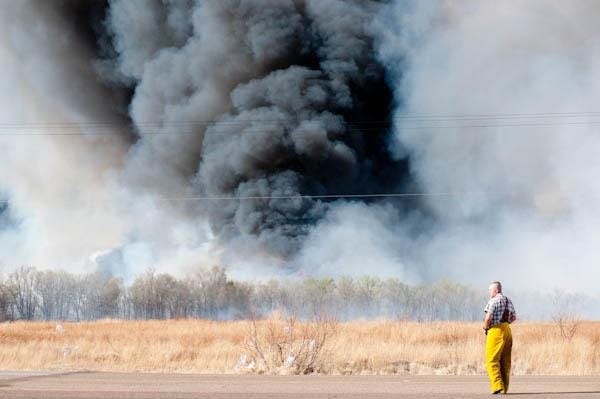
Warming temperatures have extended and intensified wildfire season in the West, where long-term drought has heightened the risk of wildfires. Scientists estimate that human-caused climate change has already doubled the area of forest burned in recent decades, with the amount of land consumed by wildfires in Western states projected to increase by 2 to 6 times by around 2050.
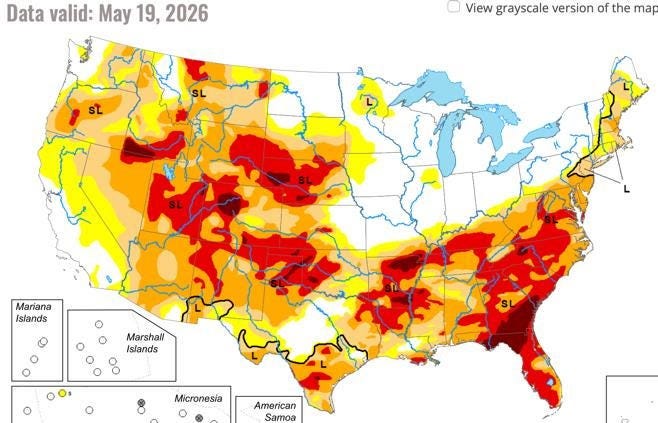
A recent study amplifies these basic conclusions. The study found that heat waves drive up the area burned by wildfires. According to the researchers, this occurred during 2001–2024, during and immediately following heatwaves. Researchers observed a 2.5-fold increase in burned areas in WUS forests since 2001, with ~64% of this increase coinciding with heatwaves. Approximately 15% of the high-heat days accounted for 42% of the acreage charred.
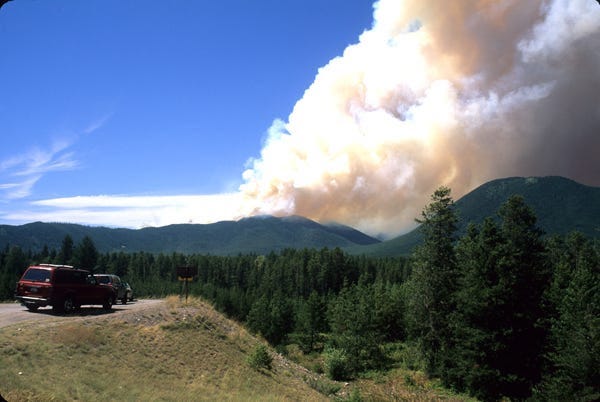
Heatwaves can rapidly dry fine fuels, including easily ignited materials such as grass, leaves, needles, and small branches. Heatwaves also limit overnight humidity recovery, and temperatures often remain high. And rising heated air can increase atmospheric instability, promoting plume-dominated fire behavior and rapid-fire growth.
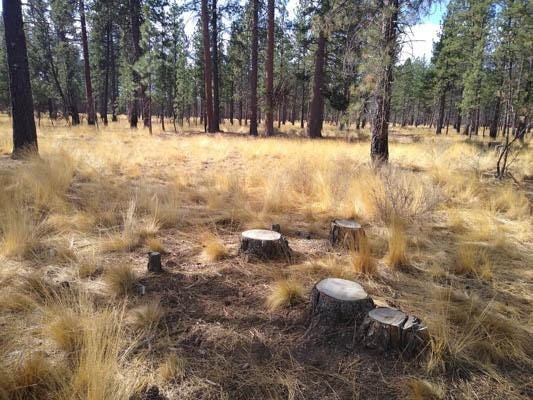
During the heat waves, the amount of land burned each day was over 50% higher than on cooler days. In some western areas, that increase reached 300%.
Heatwaves increase the vapor deficit, increasing the moisture the atmosphere can absorb, drying out vegetation.
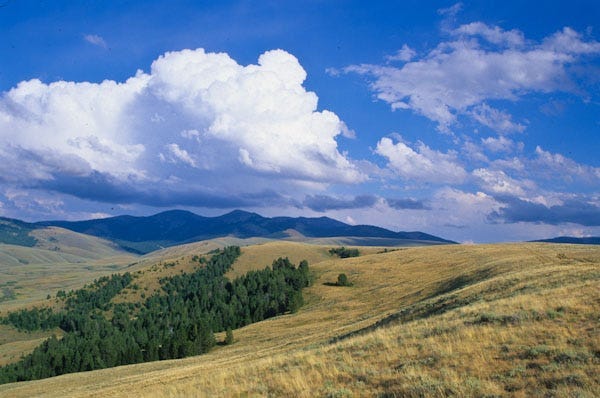
Heatwaves also limit the normal nighttime cooling, permitting fires to burn longer and hotter.
Adding to the potential for larger fires is that lightning storms are more common during heatwaves.
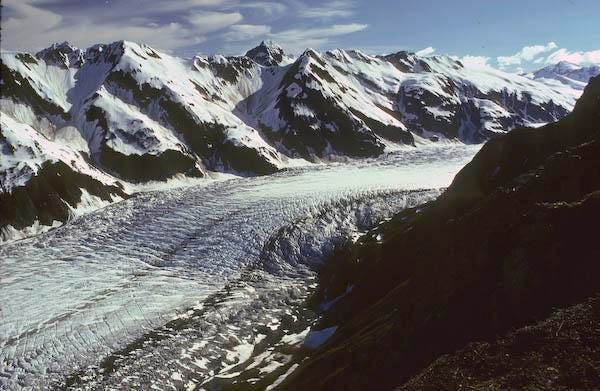
Modeling shows that climate change will continue to transform the Pacific Northwest, with annual average temperatures projected to increase by roughly 4.7°F to 10°F relative to the 1950 to 1999 baseline by 2080.
What all this suggests is that thinning, prescribed burning, and other so-called solutions are unlikely to be effective in reducing wildfire’s impact on western landscapes.
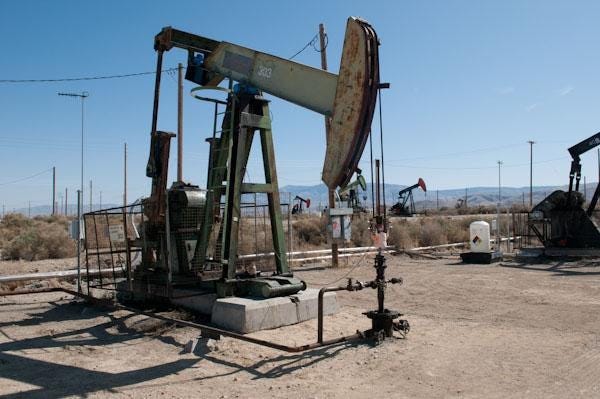
Of course, the current administration’s efforts to promote fossil fuels will only exacerbate wildfire spread and influence.
I had a lot of likes on FB,but forgot to enclose the link.. it should get you more.