Comments on Yellowstone Supplemental Bison Plan

The Montana Wild Bison Restoration Council believes the Yellowstone Bison herd has international value as one of the least domesticated bison herds in the country.
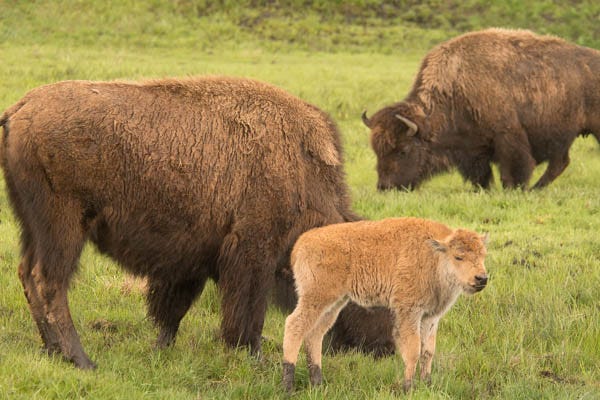
Given that nearly all other bison herds are managed as domesticated animals, usually fenced in, inoculated for disease, selectively killed, and protected from predators, starvation, and diseases, only increases the overall ecological value of the Yellowstone herd. As such, the bison deserve special treatment that recognizes their extreme value.
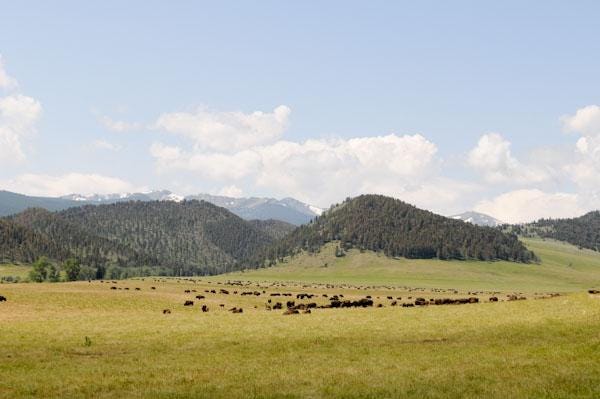
The following video is a discussion by Dr. James Bailey on bison genetics and other topics.
Several things should be considered. Below are the highlights; more details are available on the Montana Wild Bison Restoration Council website.
Bison should be managed to maintain their evolutionary and ecological values. As one of the least domesticated bison herds in the nation, activities like human-initiated population removal should be discontinued.
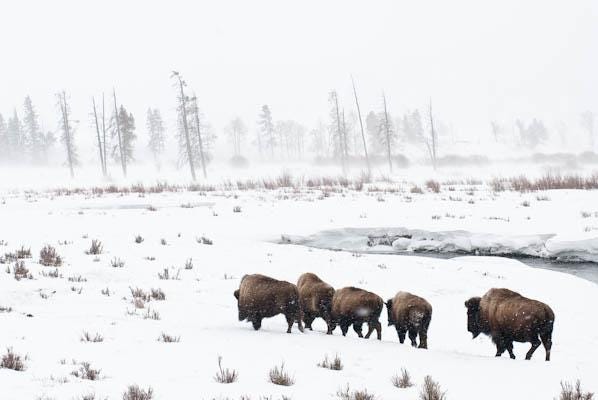
One of the main evolutionary adaptations of bison is migration. Maintaining the migratory behavior of the Yellowstone bison should be a primary management goal. Wild buffalo need to be free to roam, as do deer, elk, and all other wildlife.
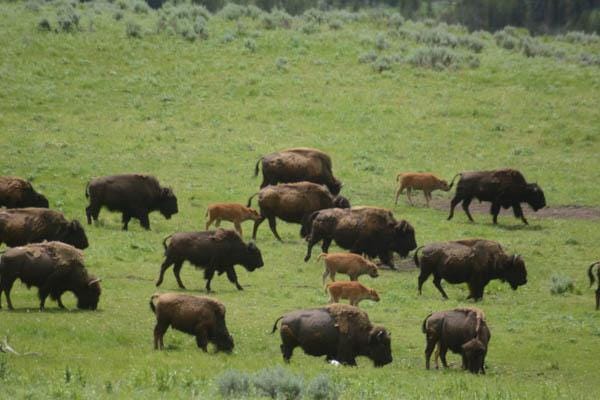
To quote from a recent paper, “Captivity may broadly impede bison ecological function: space, season and management.” Our results demonstrate that captivity likely prevents bison from using their available landscape seasonally at broad scales, which could have ecological consequences for this historically nomadic herbivore. Although sociopolitical realities prevent bison restoration at a continental scale, increasing the amount of space available to bison where possible has the potential to replicate previous ecological processes.”
However, current management is harming bison migration tendencies. Both capture and slaughter near the northern boundary of the park, as well as tribal hunting outside of the park, are selectively killing the very bison most likely to migrate.
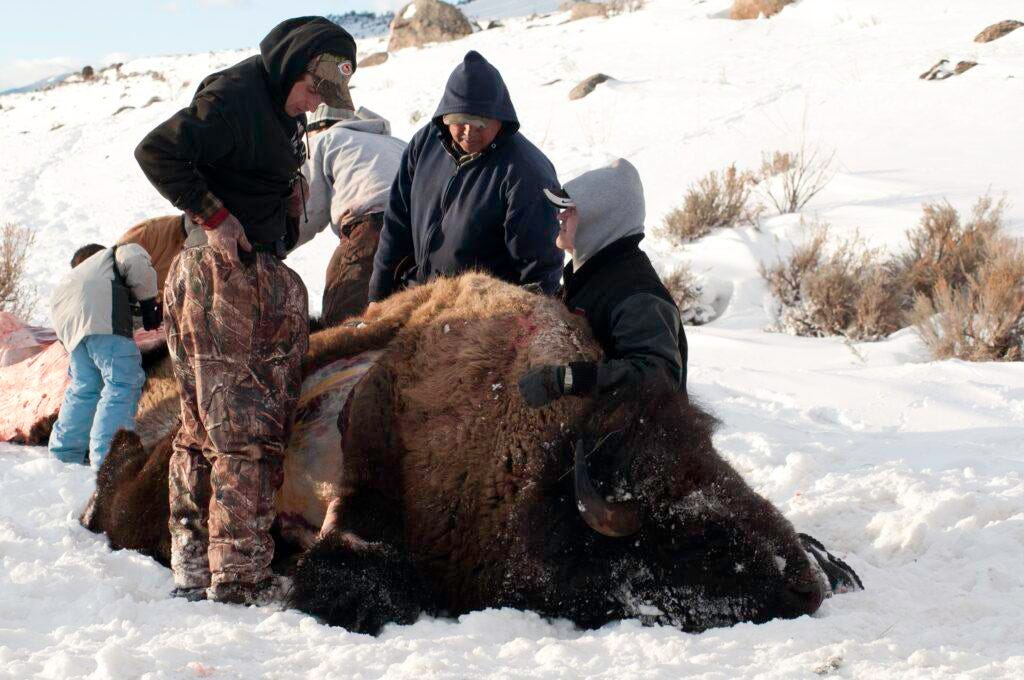
In previous iterations of the bison management, the NPS has suggested that one of its goals is to provide bison for tribal members to kill outside the park to preserve cultural values. Preservation of cultural values is not a NPS mission, but preserving ecological values is. Essentially, the NPS has made the park bison into hatchery animals, being produced for the consumption of humans. That is not a means of preserving the unique genetics of park bison.
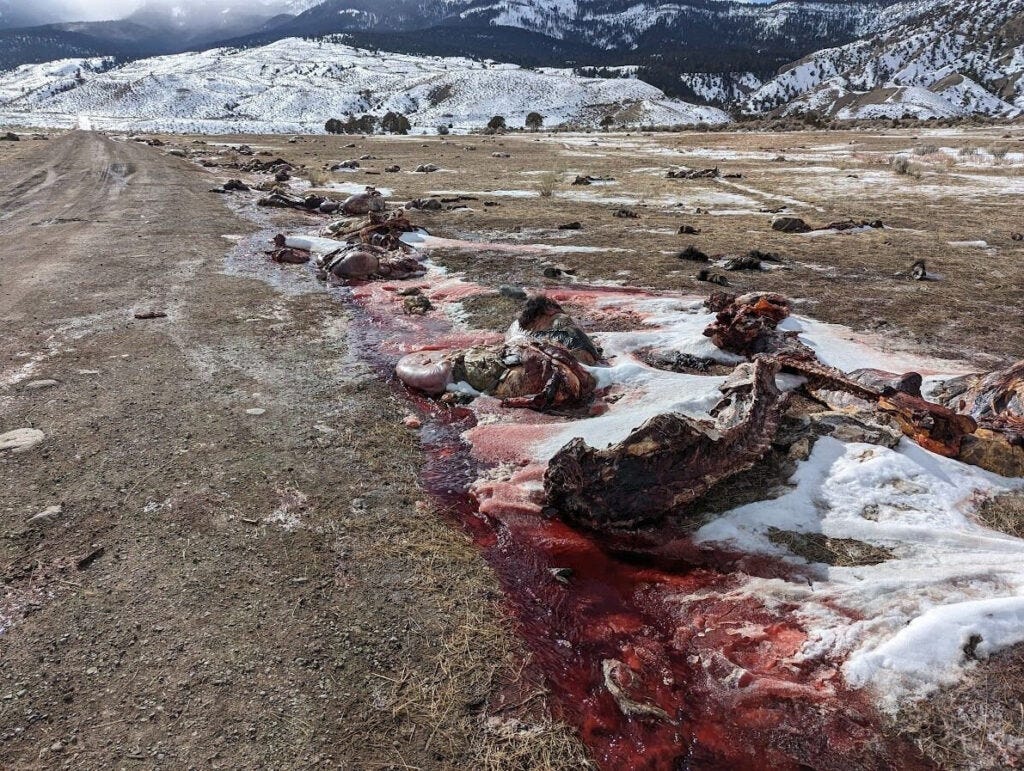
Furthermore, whether through capture and slaughter or tribal killing, bison are being removed from the Yellowstone ecosystem with serious consequences for the ecosystem’s integrity. Reducing numbers has several consequences. It removes bison that would otherwise die, providing food for predators and scavengers.
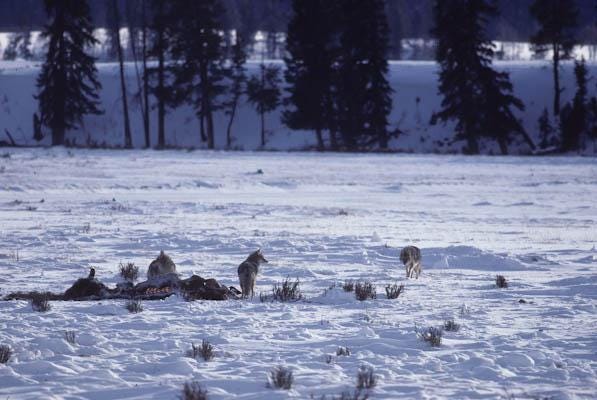
Also, reducing the population affects evolutionary processes that select the weaker animals or more susceptible animals. Higher populations would likely lead to more starvation, disease, and harsher weather. Plus, weaker animals are more vulnerable to predators, and so forth.
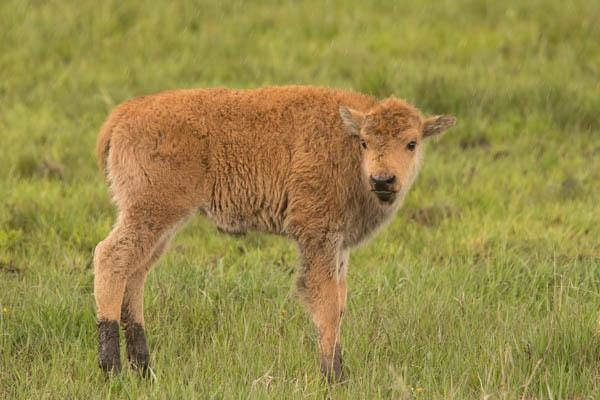
Thus, promoting bison removal jeopardizes the bison genome and other wildlife in the park that rely on living or dead bison for sustenance.
Therefore, the MWBRC supports a policy that recognizes the ecological and evolutionary values of wild migratory buffalo. Yellowstone bison do not need management by human interference – let their “managers” be themselves, the wolves, the grizzlies, and the weather.
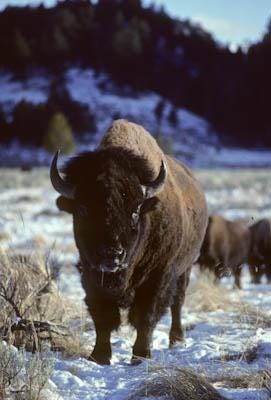
The NPS should rely on natural selection and bison dispersal as the primary tools to regulate bison numbers. Yellowstone’s lead bison biologist has publicly stated that the park alone can sustain 10,000 to 11,000 buffalo.
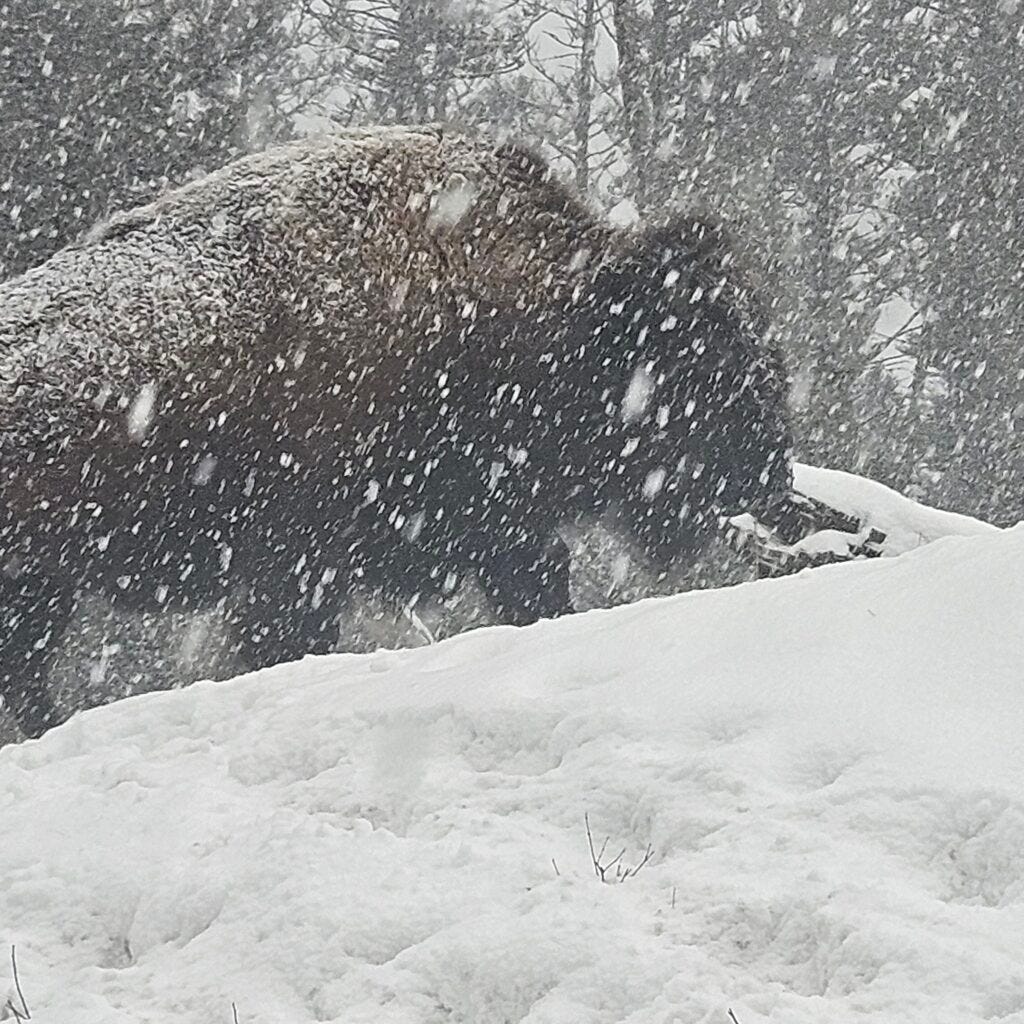
Trapping for shipments to slaughter and quarantine should immediately cease for the reasons mentioned above.
Quarantine, or the greenwash-titled Bison Conservation Transfer Program, is just another way to remove buffalo from the wild population through domestication and relocation. The transfer of Yellowstone bison to tribes or private ranches effectively privatizes Yellowstone’s wildlife. To the degree that any transfer occurs, it should only be permitted if the bison remain on public lands. The Charles M. Russell NWR and the Missouri Breaks NM are suitable locations for bison transfer.
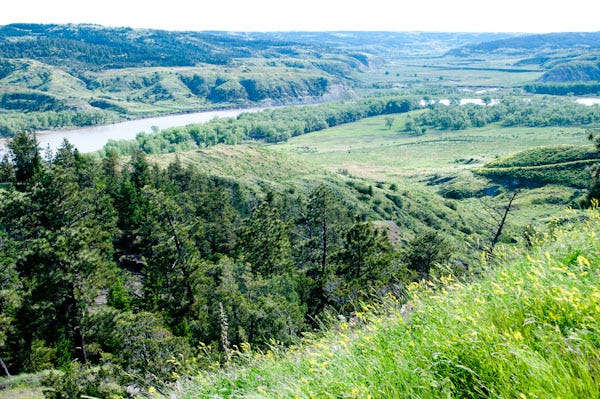
Thus far, the NPS has justified the Conservation Transfer Program and the production of bison to provide targets for tribal members outside the park, based on the MDFWP’s interpretation of treaties. However, there are numerous reasons why this interpretation may be incorrect. The basic issue is that no tribes actually have treaty rights to kill bison north of Yellowstone. It’s a nuanced issue, but the NPS should conduct its own due diligence and not rely on the tribes’, the state’s, or anyone else’s interpretation of treaties. See my commentaries on tribal treaty hunting rights here.
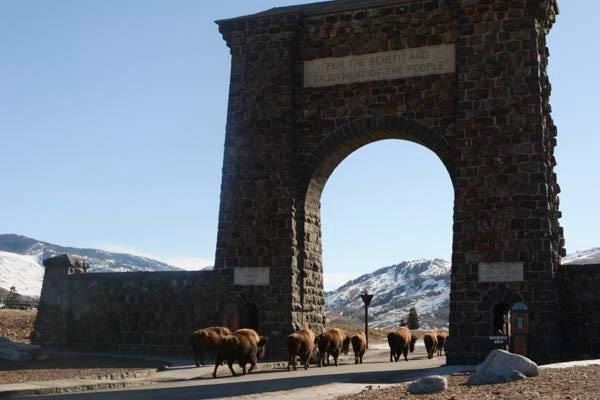
Even if the NPS agreed with the tribes that they had a right to kill bison north of Gardiner, under current legal interpretations, treaty “rights” can be modified or restricted in the interest of conservation. Given the international value of Yellowstone bison, it would seem that invoking such an interpretation is justified.
Human barriers and behavior must change. The burden has been placed on wild buffalo for far too long, and it is time for humans to change their behavior and learn to coexist. That includes amending fencing that chokes migration corridors, implementing safe-passage infrastructure along roads and highways, restoring native vegetation, and removing harmful, invasive species (e.g., cattle) that are blocking wild bison restoration.
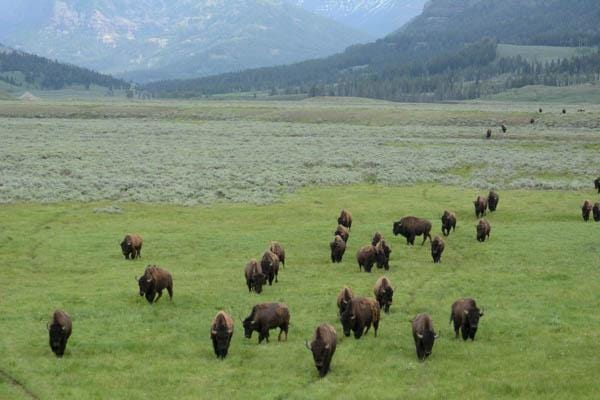
Yellowstone should start labeling and promoting the concept that the park’s bison are an international treasure, just as the park’s geothermal features are of international significance. Yellowstone should manage bison as the ecological and evolutionary heritage they represent.
To comment please use this https://parkplanning.nps.gov/document.cfm?documentID=150904
Comprehensive and accurate. Our wild places and animals depend on us understanding the science and managing accordingly.